
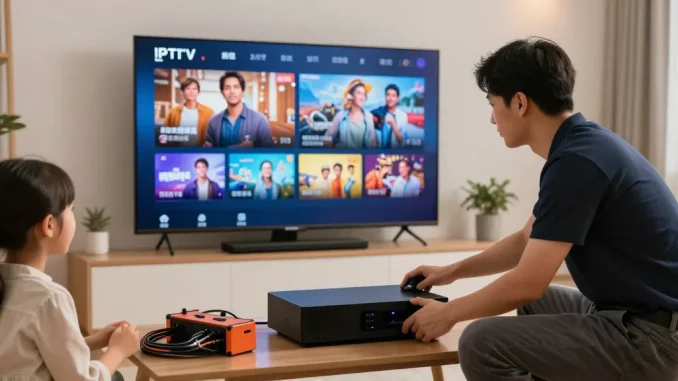
What is IPTV and How Does It Work?
IPTV, or Internet Protocol Television, has revolutionised the way we consume television content. Unlike traditional cable or satellite TV, which relies heavily on broadcast signals, IPTV delivers programming through the internet. This allows for greater flexibility in viewing options, catering to the ever-growing demand for on-demand content. With IPTV, users can stream live television, catch-up on shows they’ve missed, or explore vast libraries of movies and series—all from the comfort of their own devices.
When exploring options, best IPTV services often provide comprehensive insights into available channels and features tailored to local preferences, enhancing the overall viewing experience for consumers.
Understanding IPTV Technology
IPTV functions by converting television signals into digital data that can be transmitted over the internet. This technology typically uses two types of methods to deliver content: broadcast and on-demand. With broadcasting, users can access live streams just as they would with traditional television, while on-demand services allow users to select content at their convenience. Given the advancements in internet infrastructure and broader access to high-speed connections in 2026, IPTV has become more listener-friendly and reliable.
Different Types of IPTV Services
- Live IPTV: This allows users to stream channels in real-time, similar to conventional TV broadcasts.
- Video on Demand (VOD): Users can watch pre-recorded content whenever it suits them.
- Time-shifted TV: This feature lets viewers watch programs after they’ve aired, allowing them to catch up on missed episodes.
Benefits of Choosing IPTV Over Traditional Services
IPTV offers numerous advantages compared to traditional cable services. Firstly, it is often more flexible, providing options that allow viewers to watch shows on various devices, such as smartphones, tablets, and smart TVs. Moreover, IPTV typically includes a wider range of content, often at a lower subscription cost. Users can also enjoy enhanced features like catch-up TV, cloud recording, and a more personalised viewing experience.
Choosing the Right IPTV Provider: Local Factors to Consider
As the demand for IPTV services grows, many options are available, making it essential to choose a reliable provider. Factors such as local availability, connection stability, and customer support capabilities are crucial to ensuring a satisfying viewing experience.
Evaluating Local IPTV Providers
When selecting an IPTV provider, consider their reputation and reliability. Local providers might better understand your regional viewing preferences, offering tailored packages that cater to specific community interests. Additionally, evaluate their customer service—accessibility and response times can significantly impact your experience.
Key Features to Look for in IPTV Services
- Channel Selection: Look for providers that offer a diverse range of channels catering to your viewing habits.
- Streaming Quality: Ensure the service provides high-definition content and minimal buffering.
- Device Compatibility: Check that the provider’s service works seamlessly across your devices, such as smart TVs, gaming consoles, and mobile devices.
- Customer Support: A responsive support team can help quickly resolve any issues or questions you may have.
Importance of Customer Reviews and Testimonials
Before committing to an IPTV provider, pay attention to customer reviews. Genuine testimonials can provide insight into the service quality and the experiences of other consumers. Red flags to look out for include consistent complaints about poor customer support, missing channels, or unreliable connections. Ask for recommendations in local community forums or social media groups to learn about others’ experiences with specific providers.
Pricing Guide for IPTV Services in Your Area
Understanding IPTV Pricing Models
IPTV services employ various pricing models, depending on the features offered. Most providers offer subscription-based services either as a monthly payment, annually, or through pay-per-view options. It is essential to understand what is included in each package, such as channel line-up, additional features, and promotional offers.
Cost Breakdown of Best IPTV Plans
| Provider | Monthly Cost | Features |
|---|---|---|
| Provider A | £25 | 200+ channels, VOD |
| Provider B | £30 | 300+ channels, HD streaming |
| Provider C | £20 | 150+ channels, catch-up TV |
Average Costs for Local Installations in 2026
As of 2026, the average cost for setting up IPTV services can range from £50 to £150, depending on the complexity of the installation and any necessary equipment, such as set-top boxes or additional wiring. Homeowners should always seek estimates from qualified technicians to ensure they receive a fair price for installation services.
Licensing and Regulations for IPTV Providers
Importance of Working with Licensed Providers
When selecting an IPTV provider, ensure that they are licensed and compliant with local regulations. This helps avoid issues with the legality of the service and guarantees a level of quality assurance. Licensed providers are typically required to adhere to specific operational standards, ensuring consumer protection.
Local Regulations Affecting IPTV Services
Regulations concerning IPTV services can vary widely. In some regions, providers may need to obtain licensing to operate legally. Local regulations may also influence the types of content available, particularly concerning copyright enforcement. Staying informed about these changes can help consumers choose compliant providers.
Ensuring Compliance and Quality Standards
Compliance not only assures legality but also ensures that the provider meets industry standards for quality. Quality control measures can include regular inspections, customer feedback evaluations, and adherence to data protection laws, establishing a trusted provider-customer relationship.
Frequently Asked Questions About IPTV Services
What Equipment Do I Need for IPTV?
To enjoy IPTV, you typically need a compatible device such as a smart TV or streaming box, a stable internet connection, and sometimes specialised software or applications. Check with your provider for any specific hardware requirements they have.
Are IPTV Services Reliable and Legal?
IPTV services can be both reliable and legal, provided that you choose a licensed provider. Researching customer reviews and understanding the legality of the content offered will help ensure that you’re making a sound choice.
How to Troubleshoot Common IPTV Issues?
Common issues with IPTV services typically involve buffering, missing channels, or connection problems. First, check your internet connection and restart your device if necessary. If problems persist, contacting your provider’s customer support can often resolve the issue swiftly.