
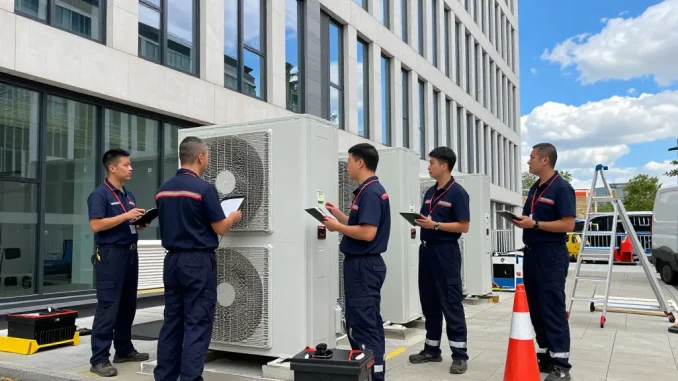
The Importance of Commercial Property Maintenance Services
In the bustling city of London, maintaining commercial properties is more than just a necessity; it’s a strategic imperative. With commercial spaces facing the constant wear and tear from tenants, weather, and daily operations, effective maintenance ensures they not only remain functional but also retain their value over time. Engaging in regular maintenance contributes significantly to the overall efficiency and aesthetic appeal of commercial properties, making them more attractive to potential tenants and clients. When exploring options, commercial property maintenance services in London provide comprehensive insights into best practices that businesses can adopt.
Understanding the Role of Maintenance in Property Management
The role of maintenance in property management cannot be overstated. It involves a systematic approach to ensuring that all systems within a property, such as plumbing, electrical, and HVAC, are functioning optimally. Regular maintenance helps to pinpoint potential issues before they escalate, saving property owners substantial amounts in emergency repairs. Moreover, keeping a property well-maintained enhances its marketability, leading to lower vacancy rates and improved tenant satisfaction.
Key Benefits of Regular Maintenance for Commercial Properties
1. Cost Efficiency: Regular maintenance can significantly reduce long-term costs by preventing major repairs and replacements that could arise from neglect.
2. Increased Property Value: A well-maintained property can command higher rental prices, with well-invested maintenance enhancing its aesthetic and functional appeal.
3. Compliance with Regulations: Regular upkeep ensures compliance with health and safety regulations, reducing the risk of legal issues and fines.
4. Tenant Retention: Keeping spaces in prime condition leads to higher tenant satisfaction, which fosters loyalty and reduces turnover rates.
Common Misconceptions About Maintenance Services
Many property owners harbor misconceptions about maintenance services. One common myth is that maintenance is an unnecessary expense, when in reality, it is an investment in the property’s longevity. Another belief is that maintenance is only needed when issues arise. In fact, a proactive approach to maintenance can prevent many issues from ever developing. Additionally, some owners assume that all maintenance services are equivalent; however, the quality and expertise of service providers can vary significantly.
Types of Commercial Property Maintenance Services Available
Preventive Maintenance: Ensuring Longevity and Efficiency
Preventive maintenance involves regularly scheduled inspections and servicing. This proactive approach aims to identify potential issues before they become significant problems. For example, routinely checking and replacing HVAC filters can improve air quality and system efficiency, ultimately extending the lifespan of these crucial systems.
Corrective Maintenance: Responding to Urgent Repairs
Corrective maintenance, often reactive in nature, addresses immediate issues that require urgent attention. This includes fixing leaks, electrical failures, or other critical repairs that could disrupt operations. While this type of maintenance cannot be entirely avoided, having a reliable service provider can help reduce response times and minimize disruption.
Predictive Maintenance: Utilizing Technology for Better Outcomes
Emerging technologies have paved the way for predictive maintenance, which uses data analytics to predict when equipment failures might occur. By monitoring performance and analyzing usage patterns, property managers can schedule maintenance at optimal times, thus reducing downtime and extending equipment lifespans. Techniques such as vibration analysis and thermal imaging are becoming increasingly popular in this arena.
Choosing the Right Maintenance Service Provider
Qualities to Look for in a Commercial Property Maintenance Company
When selecting a maintenance service provider, look for companies with a solid reputation and extensive experience in managing commercial properties. Key qualities include:
– Certifications: Ensure they are certified to meet industry standards.
– Experience: Years of operation and a proven track record in handling similar properties.
– Customer Service: Responsive, reliable customer support is crucial for timely maintenance.
Questions to Ask Potential Service Providers
Before engaging a maintenance service provider, it’s essential to ask the right questions to gauge their suitability. Consider:
– What is your experience with properties of this type?
– Can you provide references or case studies?
– What are your average response times for urgent repairs?
– How do you handle emergency situations?
Evaluating Service Contracts and Pricing Models
Commercial property maintenance contracts can vary widely in terms of services offered and costs. It’s essential to evaluate:
– Scope of Services: Ensure that all necessary services are included, such as preventive, corrective, and emergency maintenance.
– Pricing Models: Understand if the pricing is flat-rate, hourly, or a combination. Consider long-term contracts versus ad-hoc services.
Best Practices in Commercial Property Maintenance
Creating a Comprehensive Maintenance Schedule
Developing a detailed maintenance schedule is critical for effective property management. This should include regular inspections and checklists to ensure that no task is overlooked. Incorporating seasonal tasks, such as gutter cleaning in the fall or heating system checks in the winter, can prevent larger issues from arising.
Utilizing Technology for Efficient Maintenance Management
Technology plays a vital role in modern property maintenance. Software solutions can streamline the scheduling of maintenance tasks, track service requests, and manage inventory for repair supplies. By leveraging technology, property managers can enhance accountability and monitor the efficiency of their maintenance processes.
Engaging with Tenants for Feedback and Improvement
Regularly engaging with tenants is essential for understanding their needs and perceptions regarding the property’s maintenance. Feedback systems, such as tenant satisfaction surveys or direct communication channels, can uncover areas for improvement and foster a collaborative environment that enhances tenant relationships.
Future Trends in Commercial Property Maintenance Services
Emerging Technologies Shaping the Industry in 2026
As we move into 2026, the commercial property maintenance landscape will increasingly integrate advanced technologies. Artificial intelligence (AI) and machine learning will offer more refined predictive maintenance models, while smart building technologies will enable real-time monitoring of systems for immediate problem identification.
Sustainability Practices in Property Maintenance
With growing awareness of environmental issues, sustainability practices are becoming essential in property maintenance. This includes using eco-friendly materials, reducing energy consumption through efficient practices, and incorporating renewable energy sources. Properties adopting such practices can benefit from lower operational costs and an improved market image.
The Impact of Remote Monitoring and IoT Solutions
The Internet of Things (IoT) is set to revolutionize commercial property maintenance. Smart sensors can provide data on various systems, detecting anomalies in real-time and alerting maintenance teams before significant issues arise. This proactive approach reduces costs and enhances operational efficiency.
What are common maintenance issues faced by commercial properties?
Commercial properties frequently face issues such as plumbing leaks, HVAC malfunctions, electrical failures, and safety compliance concerns. Regular maintenance helps mitigate these risks by addressing them promptly.
How can maintenance services improve tenant satisfaction?
Effective maintenance services lead to improved tenant satisfaction by ensuring that issues are resolved quickly and that the property remains in good condition. Satisfied tenants are more likely to renew their leases and recommend the property to others.
What are the costs associated with commercial property maintenance?
The costs of maintenance can vary widely based on property size, location, and the services required. On average, property owners should budget around 1% to 4% of the property’s value annually for maintenance, including both preventive and corrective measures.
How often should commercial properties undergo maintenance inspections?
It’s advisable for commercial properties to undergo maintenance inspections at least twice a year, with more frequent checks for high-use areas or properties with older systems. Regular inspections can catch issues early, saving time and money.
What certifications should a maintenance service provider have?
Maintenance service providers should hold relevant industry certifications, such as those from the International Facility Management Association (IFMA) or the National Association of Commercial Property Managers (NACPM). These certifications indicate a level of professionalism and adherence to industry standards.